Gilgit Weather
Check the current weather Gilgit has to offer before you head out. This page brings together Gilgit weather of today, the forecast for the coming week, and a feel for every season. Gilgit lies in a dry mountain valley at an elevation of about 1,500 meters. Summers are warm and sunny, winters turn cold, and rainfall stays low throughout the year.
Scroll down for the forecast, a month-by-month weather guide, climate averages, the best time to visit, and what to pack.
7-day Gilgit weather forecast
🌡️ Min: °C
💧 Humidity: %
🌇 Sunset:
This weather forecast Gilgit shows the next seven days of temperature, wind, and rain chance. Use it to plan sightseeing and road trips toward Hunza, Skardu, and Naltar. Any storm, snow, or road-related alert appears as a weather update Gilgit note.
Gilgit weather by month
Gilgit Baltistan weather changes a lot through the year, but the valley stays drier and milder than the peaks around it. Here is what each season usually feels like.
Spring (March to May)
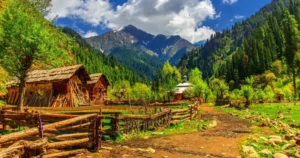
Spring is mild and bright, with apricot and cherry blossoms covering the valley in April. Days warm up from about 15°C to 28°C.
Summer (June to August)
Summer days are hot and dry, often reaching 32°C to 36°C in July. Evenings cool down quickly, which keeps Gilgit city weather comfortable after sunset.
Autumn (September to November)
Autumn in Gilgit Baltistan brings golden poplars, clear skies, and cooler days of about 15°C to 25°C. By November, mornings turn frosty.
Winter (December to February)
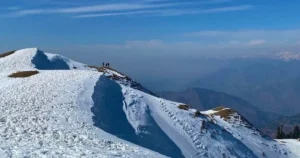
Gilgit in winter is cold and dry, with daytime highs of around 5°C to 10°C. The Gilgit temperature in winter drops below freezing at night, and nearby mountains get heavy snow.
Gilgit climate overview
Gilgit has a cold, dry climate with big swings between day and night and between seasons. Rain and snow are limited, and sunshine is common for most of the year. The details below show how temperature and rainfall change across the year.
Temperature
The average Gilgit temperature ranges from about -2°C on winter nights to over 35°C on summer afternoons. The temperature in Gilgit Baltistan varies widely with altitude, so higher valleys are much colder.
Rainfall and snowfall
There is very little rain in Gilgit, usually under 150 mm a year, mostly in spring and late summer. Snow is light in the city but heavy in the surrounding mountains, and it can block high passes in winter.
Best time to visit Gilgit
The best time to visit Gilgit is April to October, when days are warm and roads are open. For the wider region, the best time to visit Gilgit Baltistan is May to September for lakes and high valleys. October is ideal if you want autumn colors and fewer crowds. Winter suits travelers who want snow and quiet, but expect cold and road closures.