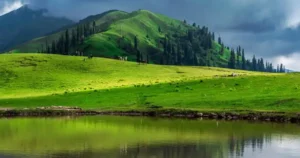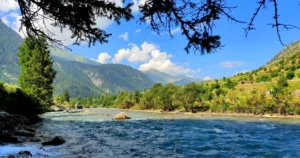
If there is one place in Pakistan that stops you mid-breath the moment you arrive, it is Kalam Valley. Situated in upper Swat Valley at 2,000 metres, this stunning valley is home to crystal-clear alpine lakes, thick pine forests, rushing glacial rivers and some of the warmest Pashtun hospitality you will ever experience.
In this guide, we cover everything you need the best time to visit, how to get here, top tourist places in Kalam, things to do, where to eat, where to stay, nearby places and practical tips to make your trip smooth and memorable.
Best Time to Visit Kalam Valley
The honest answer? Kalam is beautiful in every season but each season gives you a completely different experience.
Spring (March–May) is when the valley wakes up. Wildflowers cover the meadows in Utror and Matiltan, crowds are low and the weather is pleasant. Great for photography and peaceful walks.
Summer (June–September) is the peak season. All roads are open, all lakes are accessible and the valley is lively. The Kalam Summer Festival locally called Kalam Mela happens in July or August with paragliding, canoeing, jeep rallies, Pashtun music, food stalls and local handicraft displays. If you want Kalam at its most energetic, this is your window. Expect crowds on weekends.
Autumn (September–October) is the sweet spot. Crowds thin out, skies clear up and the forests turn golden. Perfect for trekking and photography without the summer rush.
Winter (November–February) is for the adventurous. Snow covers everything and roads to remote lakes close completely. But Kalam town stays accessible and the silence of a snow-covered valley is something you genuinely cannot find anywhere else.
Month | Crowd Level | Best For |
March–May | Low | Photography, peaceful walks |
June–September | High | Lakes, festivals, families |
Sep–October | Medium | Trekking, autumn colours |
Nov–February | Very low | Snow lovers, solitude |
How to Get to Kalam Valley
From Islamabad: Take the Swat Motorway (M-16) to Mingora, then follow the N95 Kalam Road through Madyan and Bahrain to Kalam. The total distance is around 326 kilometres, about five to six hours by car. Smooth motorway until Mingora, then a scenic but narrower mountain road the rest of the way.
From Lahore: Around 480 kilometres, seven to eight hours by road. NATCO buses and private coaches run from Lahore and Rawalpindi to Mingora. From Mingora, connect to local shared vans or hire a car toward Kalam.
From Karachi: Fly to Islamabad, then drive or take a bus as above. The road journey from Karachi is too long to be practical.
Primary Route — N95 Road: The main and most scenic route from Mingora to Kalam along the Swat River bank. It passes through Manglor, Charbagh, Khwazakhela, Madyan and Bahrain. It takes about three hours from Mingora.
Alternative Route — Kanju Road: A second option through Kanju, Derai, Bandai and Damlai before reconnecting to Madyan and Bahrain. Similar distance and time is useful when the main N95 road is congested during peak season.
Getting Around Inside Kalam: Local jeeps, taxis and shared minibuses connect Kalam town to nearby places including Mahodand Lake, Kundol Lake, Utror, Matiltan and Ushu. For remote routes, hiring a 4×4 jeep from Kalam Bazaar is your only real option. Always agree on price before you get in.
Top Places to Visit in Kalam Valley
This is where Kalam really shines. There are more places to visit in Kalam than most people realise and the best ones are tucked away from the main town.
Mahodand Lake
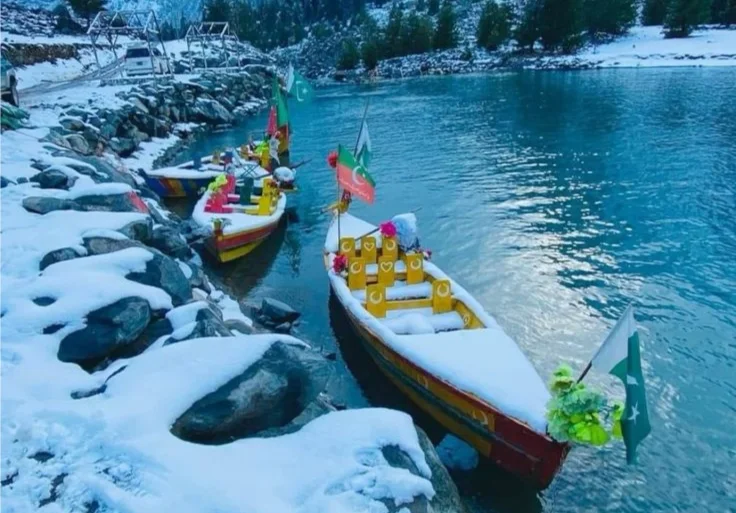
The most famous tourist place in Kalam and honestly one of the most beautiful lakes in Pakistan. Located 40 kilometres northeast of Kalam through Utror and Gabral, the journey by jeep takes two to three hours on a rough but exciting track.
When you arrive, you will understand why everyone talks about it. Crystal clear water, snow-capped peaks reflected on the surface, pine forests on the banks and wildflower meadows stretching to the shoreline. You can go boating, try trout fishing, or just sit there and stare. Basic picnic facilities and wooden huts are available at the lakeside.
Kundol Lake

Kundol Lake sits about 19 kilometres north of Kalam in the Utror region. You cannot drive here; it requires a five to six kilometre trek from Utror village through forests and mountain meadows. The effort is absolutely worth it.
The lake has a local legend attached to it on moonless nights, a golden bowl is said to appear on the water’s surface. Whether you believe that or not, the scenery will take your breath away. Hire a local guide from Utror and carry enough water and snacks for the day.
Izmis Lake

Around 15 kilometres from Kalam, izmis Valley is known for its thick deodar cedar forest, one of the most beautiful forests in all of KPK. The trees are enormous, the air is clean and the river running through it is impossibly clear. Great for bird watching, nature walks, riverside camping and just quietly sitting in the forest.
Matiltan Valley

Eleven kilometres from Kalam, Matiltan is quieter and less visited than Mahodand but just as beautiful in its own way. Dense pine forests, waterfalls and the dramatic backdrop of Falak Sar Peak at 5,918 metres. Perfect for photographers, solo travellers and anyone who wants a peaceful day away from the main tourist crowd.
Utror Valley

Utror is the launch point for treks to Kundol Lake and beyond. At around 9,500 feet elevation, it is a stunning valley in its own right, with wildflowers in summer, rushing rivers and small mountain villages where traditional life continues unchanged. Great for nature walks, picnics and photography.
Gabral Valley

Gabral is Kalam’s hidden gem 16 kilometres from town but feels like a completely different world. Turquoise rivers, tall mountains, quiet villages. Most travellers never make it here because the tourist crowd stops at Mahodand. That is exactly why you should go. Ideal for camping, fishing and genuine off-the-beaten-track exploration.
Kalam Bazaar
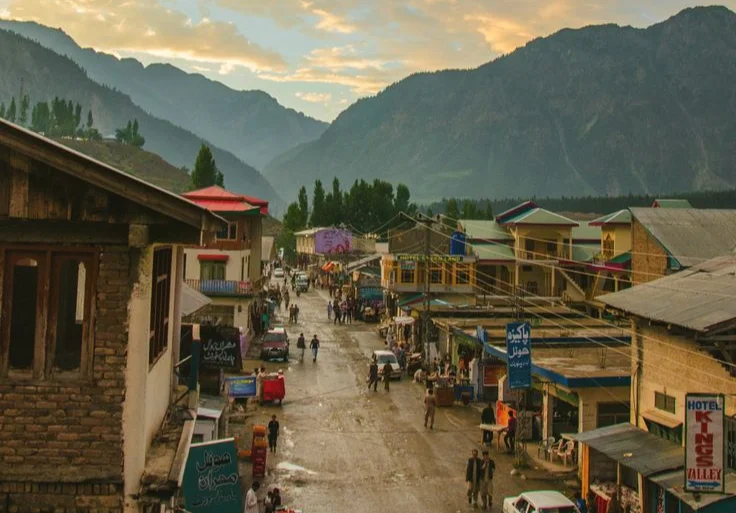
The lively heart of Kalam town. This is where you arrange jeeps, hire guides, buy supplies, shop for Swati handicrafts embroidered shawls, woolen caps, local jewellery and eat some of the best Chapli Kebab of your life. Visit early morning or late afternoon for the best atmosphere and to avoid peak congestion.
Kalam Forest and National Forest

The forest surrounding Kalam town extends toward Utror and Matiltan. Pine, deodar and fir trees, hiking trails, picnic spots and plenty of wildlife. The National Forest area just outside town has maintained trails and is perfect for families with young children or anyone who wants a relaxed nature experience close to town.
Things to Do in Kalam Valley
- Trekking & Hiking: Trails range from easy walks in Ushu Forest to challenging routes like Izmis Lake and Badgoi Pass.
- Camping: Best spots include Mahodand Lake, Gabral Valley and Matiltan pack warm layers.
- Trout Fishing: Try Swat River near Shahi Bagh, Matiltan and Mahodand Lake; local guides help.
- Boating: Available at Mahodand Lake mornings are best.
- Bird Watching: Ushu Forest offers pheasants, eagles and rare species early.
- Photography & Drone: Capture Mahodand Lake, Ushu Forest and Kalam Bazaar check drone rules.
- Jeep Rides: Off-road adventure via Utror Valley and Gabral.
- Festival: Kalam Summer Festival (July–Aug) features paragliding, music and food.
- Picnics: Relax by riversides in Kalam, Utror and Ushu.
Kalam Valley vs Naran vs Kumrat : Which One Should You Visit?
This is the comparison most Kalam travel blogs never make but it is genuinely useful if you are deciding between Pakistan’s top northern destinations.
Kalam Valley is the most accessible and varied of the three. Standard cars can reach it in summer, the range of activities is broad and accommodation options cover every budget. Best for families, first-time northern visitors and travellers who want variety.
Naran is famous for its dramatic canyon road and Lake Saif-ul-Malook at high altitude. It gets extremely crowded in peak season and the popular lake requires a jeep. Best for road trip lovers and people specifically chasing that iconic lake experience.
Kumrat Valley in Upper Dir is the wildest and most off-grid of the three. Fewer tourists, rougher roads, foggy forests and a raw natural beauty that feels completely unspoiled. Best for solitude seekers and experienced travellers who want to go deeper.
Our honest take: If this is your first trip to northern Pakistan, start with Kalam Valley. It gives you the most complete northern Pakistan experience without the logistical challenges of Kumrat or the extreme crowds of Naran.
Food and Local Cuisine of Kalam Valley

Food in Kalam is simple, honest, and incredibly good. Pashtun cuisine is meat-forward, rich in flavour and made with fresh local ingredients that no city restaurant can replicate.
Chapli Kebab is the dish you eat first, second, and on the way home. Broad, spiced minced meat patties cooked in a hot pan and served with fresh naan. Every dhaba in Kalam Bazaar makes them and they are extraordinary here.
River Trout is the other thing you absolutely must eat. Fresh from the Swat River, grilled whole or cooked with local spices. Simple, clean and one of the best meals you will have in Pakistan.
Dum Pukht slow-cooked tender meat in a sealed pot served with fragrant Pulao and fresh bread. A full Pashtun meal that will make you understand why this cuisine is so beloved.
Local honey, dried apricots, fresh walnuts, and seasonal fruits are available throughout Kalam Bazaar. The Swat honey is particularly famous buy a jar before you leave.
Vegetarian options are available at most restaurants. Dal, fresh vegetables, egg dishes and rice-based meals are easy to find.
Where to eat: The best food is at the small family-run dhabas along Kalam Bazaar’s main street. Eat where the locals eat busy dhabas with high turnover mean fresher food. Mid-range hotels also serve decent meals but the character of a roadside dhaba cannot be beaten.
If a local family ever invites you for a home-cooked meal, say yes. Pashtun hospitality in Kalam is genuine and generous; you will leave the table full, happy and with a much deeper understanding of this valley and its people.
Where to Stay in Kalam Valley
Luxury and Mid-Range Hotels: Several well-established hotels in Kalam Valley offer mountain-view rooms, restaurant facilities and Wi-Fi. Ideal for families wanting comfort. Book at least two to three weeks ahead for peak summer. Good rooms fill up fast.
Budget Guesthouses: Clean, simple rooms near Kalam Bazaar at very reasonable rates. Perfect for solo travellers and backpackers who want a base without spending heavily.
Riverside Lodges: Wooden or stone lodges built right beside the Swat River. Falling asleep to the sound of rushing water and waking to mountain mist is an experience unique to places like Kalam. Quality varies, so check reviews before booking.
Camping: The most immersive option. Shores of Mahodand Lake, meadows at Gabral Valley, and forest clearings at Matiltan are among the finest camping spots in KPK. Carry a quality tent, warm sleeping bag and all your own food and water.
Booking tips: Always carry cash. Card payment is not available at most hotels and guesthouses in Kalam. Confirm meals, transport arrangements and check-in times before arriving.
Nearby Places to Kalam Valley
Malam Jabba: About 122 kilometres south of Kalam via the N95 road. Pakistan’s top ski resort in winter and a great day trip in summer for chairlift rides and mountain views.
Bahrain: Bahrain valley swat riverside town on the Kalam road at the confluence of the Daral and Swat Rivers. Good for a quick stop at riverside hotels, local handicraft shopping and fresh food.
Madyan: A scenic town between Mingora and Bahrain known for its traditional wooden architecture and emerald stone markets. Worth an hour on your drive to or from Kalam.
Kumrat Valley: For travellers wanting to extend their trip, Kumrat in Upper Dir is reachable from Kalam. Dense forests, Jahaz Banda meadow and waterfalls make it a natural next destination.
Mingora: The last city before you head deep into the valley. Has reliable ATMs, hospitals, the Swat Museum and full shopping facilities. Withdraw your cash here before heading to Kalam.
Packing List for Kalam Valley
Summer (June–September):
- Moisture-wicking shirts and two fleece layers for cold evenings
- Waterproof rain jacket afternoon showers happen even in peak summer
- Comfortable trekking shoes with ankle support
- Sunscreen SPF 50+ and UV sunglasses
- Reusable water bottle
- Power bank
Winter (November–February):
- Heavy thermal base layers
- Insulated down jacket
- Waterproof snow boots
- Gloves, warm hat, thermal socks
For Trekking (any season):
- Trekking poles for Kundol and Izmis Lake trails
- Day pack with water, snacks and a spare layer
- Headtorch with spare batteries
- Small first-aid kit
Always carry:
- Enough PKR cash no reliable ATMs in Kalam town
- Offline maps downloaded before you leave Mingora
- Personal medications in sufficient quantity
Safety, Health and Emergency Info
Is Kalam safe in 2026? Yes. Kalam Valley is safe for domestic and international tourists. Security has improved enormously over the past decade. Basic mountain travel common sense applies: do not trek alone in remote areas, inform someone of your route and check road conditions locally before heading out.
Medical care: Kalam town has a government hospital and small clinics for minor injuries and common illnesses. For serious emergencies, patients are taken to Mingora or Saidu Sharif. Always carry a personal first-aid kit.
Emergency contacts:
- Swat Police local police station in Kalam town
- Rescue 1122 centralised emergency number for police, medical and fire assistance
Mobile coverage: Jazz, Zong and Telenor work in Kalam town. Coverage drops significantly in Gabral, Izmis and upper Utror. Download your offline maps before leaving Kalam town.
Practical Travel Tips for Kalam
Cash only: No reliable ATMs in Kalam. Withdraw enough PKR in Mingora or Bahrain before you arrive.
SIM and internet: Zong has the strongest signal in upper Swat. Wi-Fi is available at most mid-range hotels but speeds are slow. Do not rely on real-time navigation in remote valleys.
Cultural etiquette: Dress modestly loose clothing covering arms and legs. Women should carry a scarf. Always ask permission before photographing local people. Greet with “Assalamu Alaykum” locals respond with instant warmth and helpfulness.
Solo female travellers: Kalam is relatively safe. Stay at established hotels, dress conservatively and consider hiring a local guide for remote treks.
Sustainable travel: Carry out all your rubbish. Hire local guides. Eat at local dhabas. Buy from Kalam Bazaar. Your spending directly supports the families of this valley.
Can I visit Kalam with a regular car or do I need a 4x4?
For Kalam town itself and nearby spots like Ushu Valley and Matiltan, a regular car works fine in summer. But for Mahodand Lake, Gabral and upper Utror, you absolutely need a 4×4 jeep; the tracks are rough and a standard car will not make it.
How many days are enough for Kalam Valley?
Honestly, three to four days is the sweet spot. One day to settle in and explore Kalam town and Ushu Forest. One full day for Mahodand Lake. One day for Utror or Gabral. If you want to attempt Kundol Lake or Izmis, add another day.
How do I hire a local guide in Kalam?
The easiest way is through your hotel most hotels and guesthouses in Kalam can connect you with experienced local guides. You can also find guides and jeep drivers at Kalam Bazaar directly. Always agree on the full price before you leave.
What language do people speak in Kalam?
The local language is Gawri. Most people in Kalam town also understand and speak Pashto and Urdu fluently. English is understood at hotels and by most tour guides. You will have no communication problem getting around.
Is Kalam Valley worth visiting in September?
Yes, arguably the best time. Crowds are gone, the forest turns golden, skies are perfectly clear and temperatures are comfortable for trekking. Most roads are still open. September is genuinely underrated for Kalam.