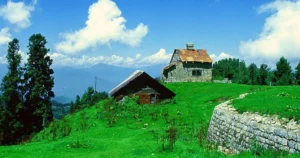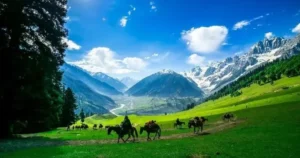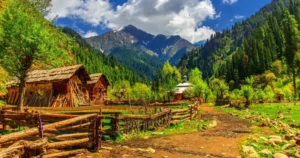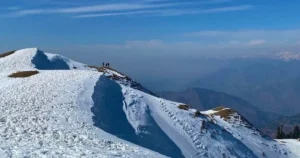
When I first reached Chitral Valley, in the far north of Khyber Pakhtunkhwa near the Afghan border, I understood why travellers keep calling it one of Pakistan’s best-kept secrets. Tirich Mir, at 7,708 m, towers over the Hindu Kush ranges around you, and the scenery changes with every turn of the road. The valley is also home to the Kalash people, centuries-old forts, alpine meadows, hot springs and the famous Shandur Pass.
Getting here used to be a long and unpredictable journey, but the Lowari Tunnel has made the trip far easier. In this guide, I’m sharing what I learned about the weather, the location, distances from major cities, the best places to visit, things to do, how to get there, where to stay and practical tips to help you plan your own trip.
Chitral Weather and Temperature
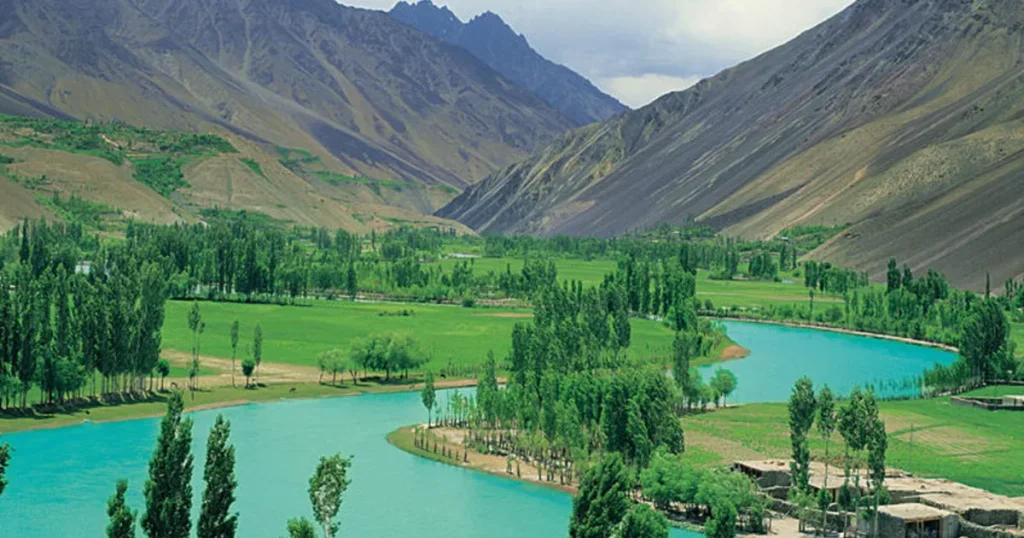
Chitral’s climate is dry and continental. Summers are warm in the valley and cool in the highlands, while winters are cold with heavy snow at higher altitudes. Chitral town (about 1,500 m) sees far less rain than most of Pakistan.
- Spring (March to May): Mild and pleasant. Orchards bloom, though higher areas stay cold.
- Summer (June to August): Warm days and cool nights. Ideal for visiting high valleys.
- Autumn (September to November): Clear skies, golden foliage and falling temperatures.
- Winter (December to February): Cold, with snowfall in Upper Chitral and mountain passes.
Approximate monthly temperatures in Chitral town
| Month | High (°C) | Low (°C) |
| January | 8 | -2 |
| February | 11 | 1 |
| March | 17 | 6 |
| April | 23 | 10 |
| May | 28 | 14 |
| June | 33 | 18 |
| July | 35 | 21 |
| August | 34 | 20 |
| September | 30 | 15 |
| October | 24 | 9 |
| November | 17 | 3 |
| December | 11 | 0 |
Heavy snow can close high passes such as Shandur and Lowari Pass for months, and landslides or rain can disrupt roads in spring and summer. Flights are also weather-dependent. Always check conditions before you travel.
Chitral Map and Location in Pakistan
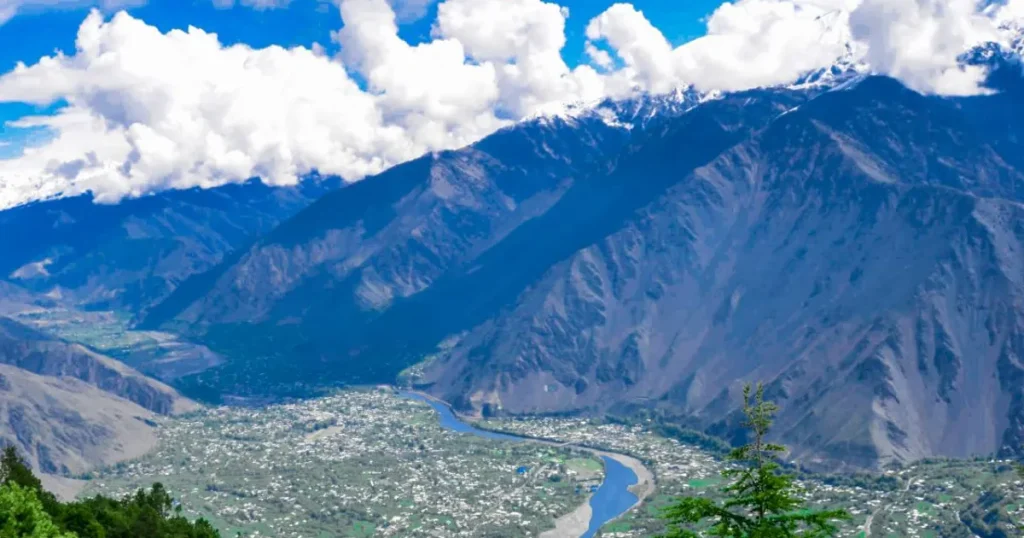
Chitral is in the northwest of Pakistan, in Khyber Pakhtunkhwa province. Chitral District is the province’s largest by area. It borders Afghanistan’s Wakhan Corridor to the north and west, Gilgit-Baltistan to the east and the districts of Swat and Dir to the south.
The district is split into two administrative parts:
- Lower Chitral: Includes Chitral town, Drosh, Ayun and the Kalash Valleys. It is more accessible, greener and more populated.
- Upper Chitral: Includes Booni, Mastuj and Mulkhow. It is more rugged and remote, with high passes and fewer facilities.
How to Reach Chitral Valley
By Road
The main route runs through Dir and the Lowari Tunnel and is open most of the year. Private cars, rental vehicles and public vans all serve this route from Peshawar, Islamabad and other cities. Local jeeps and 4x4s are available for remote valleys.
By Air
Chitral Airport receives flights from Islamabad, subject to availability and weather. Cancellations are common in poor visibility, so keep your plans flexible.
By Bus
Coach services connect Chitral with Peshawar and Islamabad. A direct Lahore to Chitral bus service may be available through some operators, but many travellers reach Chitral by connecting through Peshawar or Islamabad. Check schedules in advance.
Distance to Chitral from Major Cities in Pakistan
All distances and times are approximate and vary with road conditions and weather.
Islamabad to Chitral Distance
The distance from Islamabad to Chitral is roughly 430 to 450 km, and it took me about 10 to 12 hours by road. I went via Swabi or Mardan, Malakand, Dir and the Lowari Tunnel. Chakdara, Timergara and Dir make good stops. The 8.5 km tunnel saves hours and keeps the route open.
Lahore to Chitral Distance
The distance from Lahore to Chitral is roughly 700 km, about 14 to 16 hours. I took the M-2 Motorway to Islamabad, then followed the Malakand, Dir and Lowari Tunnel route. Splitting the trip with an overnight stop in Islamabad, Peshawar or Dir helps. You can also take a coach or fly.
Peshawar to Chitral Distance
The distance from Peshawar to Chitral is roughly 330 to 350 km, and the drive took me about 8 to 9 hours. The route goes via Malakand, Dir and the Lowari Tunnel. The road was in good shape for most of the way, so the drive felt comfortable and easy to follow overall.
Gilgit to Chitral Distance
The distance from Gilgit to Chitral is roughly 350 km, about 10 to 12 hours. The route crosses Shandur Pass via Gupis and Mastuj, and I’d recommend a 4×4. The road is open mainly in summer, and conditions can be rough, so plan carefully. Carry fuel and warm clothes, since help is far.
Swat to Chitral Distance
From Mingora in Swat, the distance to Chitral is roughly 250 to 270 km, about 7 to 9 hours. The route runs via Chakdara, Timergara and Dir to the Lowari Tunnel. I’d suggest starting early to avoid delays, especially in peak season. Leaving before sunrise gives a calmer drive and plenty of daylight.
Distances from Other Cities
| Starting point | Approx. distance to Chitral |
| Karachi to Chitral distance | 1,800+ km |
| Dir to Chitral distance | 130 to 140 km |
| Kalam to Chitral distance | 250 to 300 km |
| Mardan to Chitral distance | 270 to 290 km |
| Rawalpindi to Chitral distance | 430 to 450 km |
| Abbottabad to Chitral distance | 450 to 470 km |
| Faisalabad to Chitral distance | 800 km |
| Mingora to Chitral distance | 250 to 270 km |
| Sargodha to Chitral distance | 650 to 700 km |
| Chitral to Kalash Valley (Bumburet) | 35 to 40 km (1.5 to 2 hours) |
| Chitral to Shandur | 170 to 180 km (6 to 7 hours) |
Places to Visit in Chitral Valley
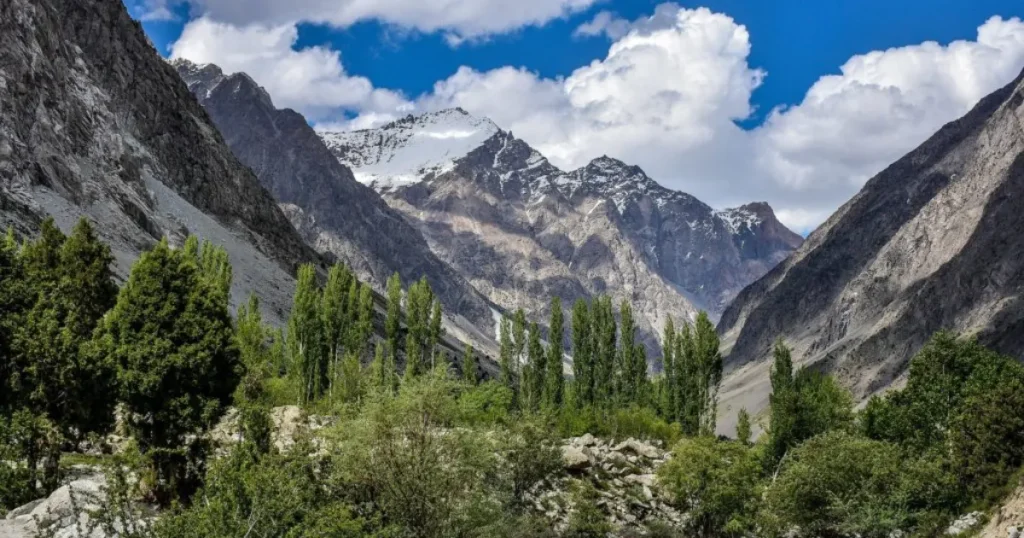
Following are the beautiful places to visit in Chitral:
Kalash Valleys
The three Kalash valleys, Bumburet, Rumbur and Birir, are home to the Kalash people, a small community with a unique polytheistic faith, colourful dress and festivals. Bumburet is the largest and most visited, Rumbur is quieter and Birir is the most traditional. All three offer wooden villages, terraced fields and walking trails.
Chitral Gol National Park
Just outside Chitral town, this protected area is known for markhor, ibex and diverse birdlife. Visitors can enjoy short hikes, wildlife spotting and scenic views of forested slopes.
Garam Chashma
Around 40 km from Chitral town, Garam Chashma is famous for its natural hot springs, believed locally to have healing properties. The surrounding area has streams, mountain views and simple guesthouses.
Qaqlasht Meadows
A high-altitude meadow with sweeping panoramas of snow-capped peaks. It is best visited in summer, when wildflowers bloom and the weather is stable. Access usually needs a 4×4 and some trekking.
Shandur Pass
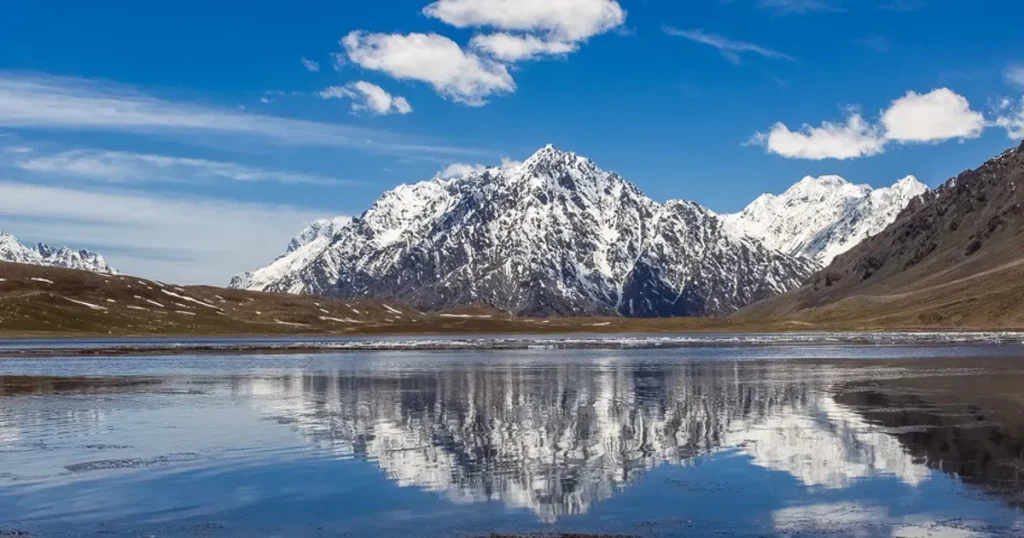
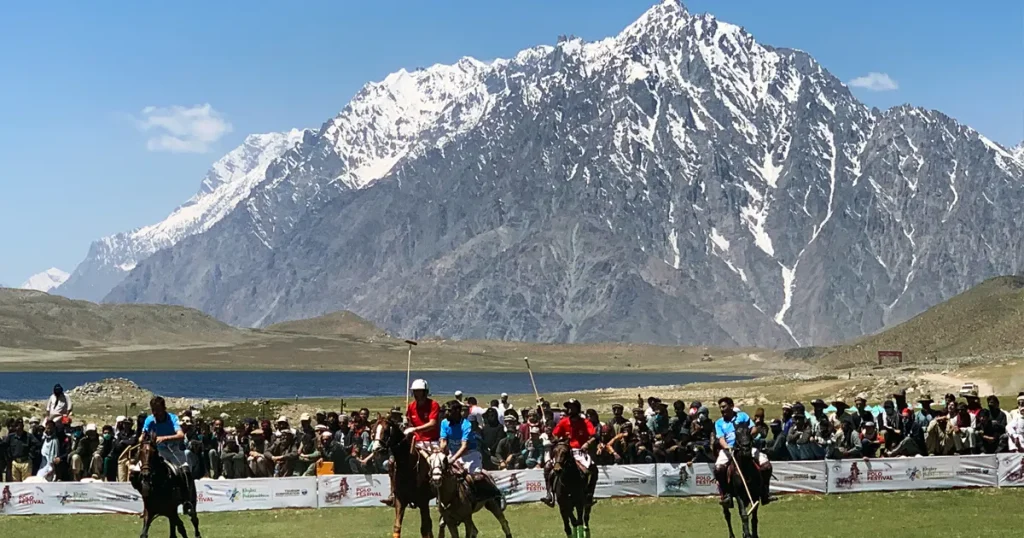
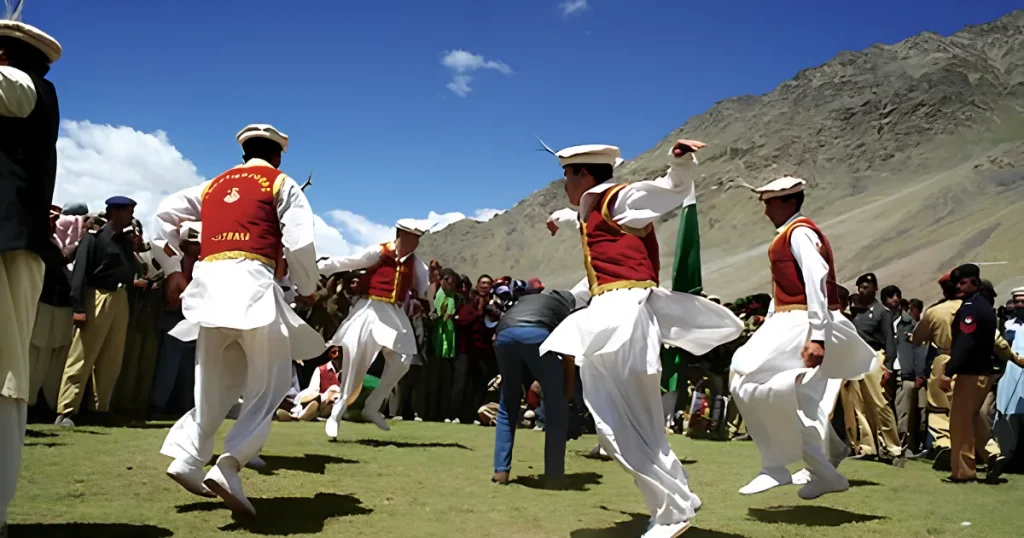
At about 3,700 m, Shandur is known as the “Roof of the World” and hosts the famous Shandur Polo Festival between Chitral and Gilgit teams, usually held in July. Shandur Lake and the open plateau make it one of Pakistan’s most memorable high-altitude landscapes.
Chitral Fort
Overlooking the Chitral River, this historic fort was the residence of the Mehtars (rulers) of Chitral. Its thick walls and riverside position reflect traditional regional military architecture, and it played a role in the 1895 Siege of Chitral. Nearby stands the elegant Shahi Masjid.
Chitral Museum
The museum displays Kalash artefacts, traditional clothing, musical instruments, handicrafts and historical items that show the region’s cultural diversity.
Booni and Upper Chitral
Booni is the main town of Upper Chitral and a base for exploring surrounding valleys. The area offers rugged mountain scenery, traditional villages and routes to Mastuj and beyond.
Other Attractions Around Chitral
- Broghil Valley: A remote high-altitude valley near the Afghan border, with lakes and rare wildlife.
- Tirich Mir viewpoints: Spots with views of the Hindu Kush’s highest peak.
- Ayun Valley: A green valley near Chitral, close to the Kalash Valleys.
- Golain Valley: A scenic area with forests, streams and a hydropower project.
Things to Do in Chitral
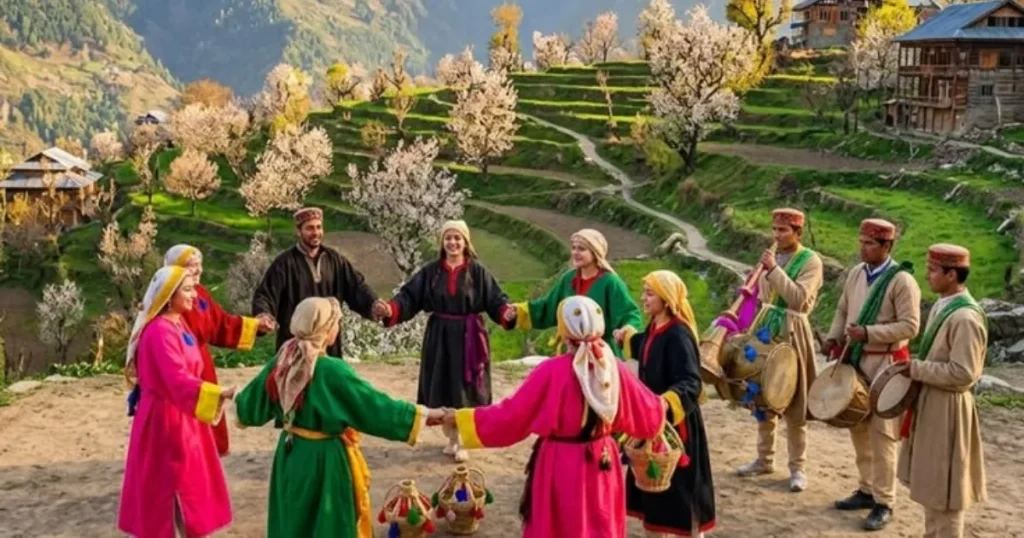
- Explore Kalash villages and learn about their culture.
- Attend traditional festivals such as Chilam Joshi (spring), Uchau (autumn) and Chawmos (winter).
- Watch polo matches at Shandur.
- Soak in the hot springs at Garam Chashma.
- Hike and trek in the valleys and meadows.
- Camp and photograph the mountain landscapes.
- Browse Chitral Bazar for woollen caps (Chitrali topi), handicrafts and dried fruit.
- Try local dishes such as chapshuro, shapik and Chitrali pulao.
Best Time to Visit Chitral Valley
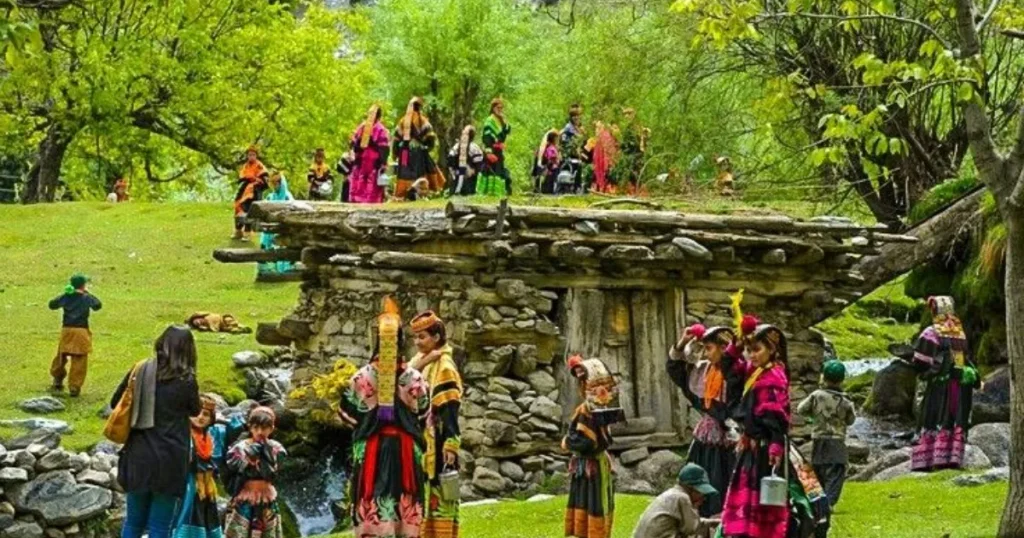
- May to September: The best period for sightseeing, with accessible roads and pleasant weather.
- Summer: Ideal for high valleys, Shandur and trekking.
- Autumn (September to October): Beautiful foliage and clear skies.
- Winter: Snowy and quiet. Chitral town remains accessible, but upper areas may be cut off.
- Remote attractions: Shandur and Broghil are generally accessible only in summer.
Where to Stay in Chitral Valley
- Chitral Town: Hotels from budget to mid-range, convenient for restaurants and transport.
- Kalash Valleys: Guesthouses and small hotels in Bumburet, Rumbur and Birir.
- Upper Chitral: Simple guesthouses in Booni and Mastuj.
- Near attractions: Basic stays at Garam Chashma and camping options near meadows and Shandur.
Book ahead during festivals and summer peak season, as availability tightens quickly.
How Many Days Are Enough to Explore Chitral?
- 2 to 3 days: Chitral town, the fort, museum and nearby attractions.
- 4 to 5 days: Chitral plus the Kalash Valleys and Garam Chashma.
- 6 to 7 days: Add Upper Chitral and more remote spots such as Shandur or Broghil.
Travel Tips for Visiting Chitral
- Check road and weather conditions before you travel.
- Pack layers, as temperatures swing between day and night.
- Plan fuel and transport for remote areas.
- Respect local customs and Kalash traditions, and ask before photographing people.
- Keep spare days for weather-related delays.
- Confirm seasonal access before heading to remote valleys.
Conclusion
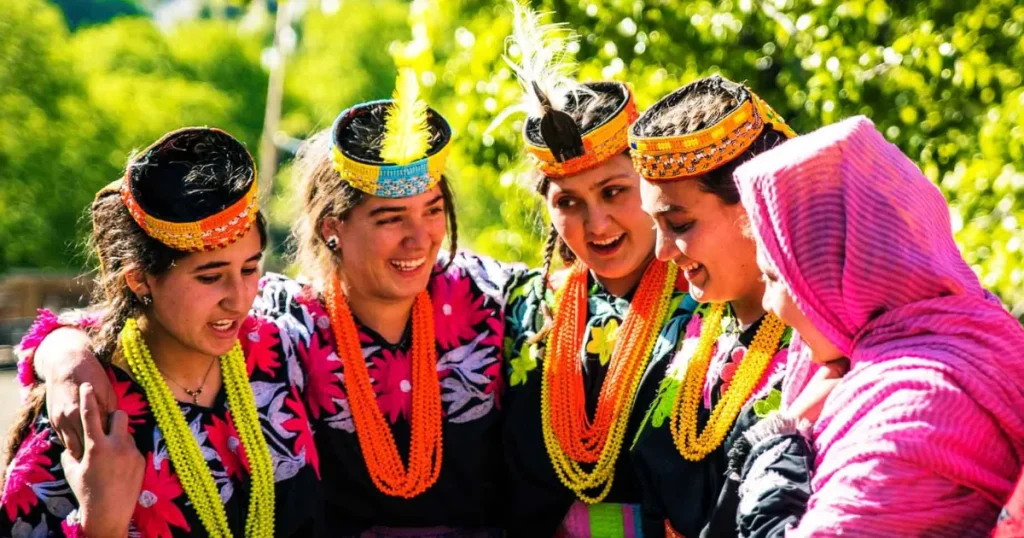
Chitral Valley combines rugged peaks, historic forts, unique Kalash traditions and some of Pakistan’s most memorable high-altitude scenery. With the Lowari Tunnel making access easier, it is a destination for both culture seekers and adventure travellers. Plan around the weather, check road conditions and allow enough days, and Chitral will reward you with an unforgettable trip.
Frequently Asked Questions
Q: What is Chitral famous for?
The Kalash culture, Tirich Mir, Shandur Polo Festival, Chitral Fort and mountain scenery.
Q: What is the best time to visit Chitral?
May to October, with summer ideal for high-altitude areas.
Q: Does Chitral receive snowfall?
Yes. Chitral town sees light snow in winter, while Upper Chitral and the high passes get heavy snowfall.
Q: Is Chitral worth visiting?
Yes, for its culture, landscapes and relatively uncrowded mountain scenery.