Naltar Valley Guide Location, Weather and Lakes
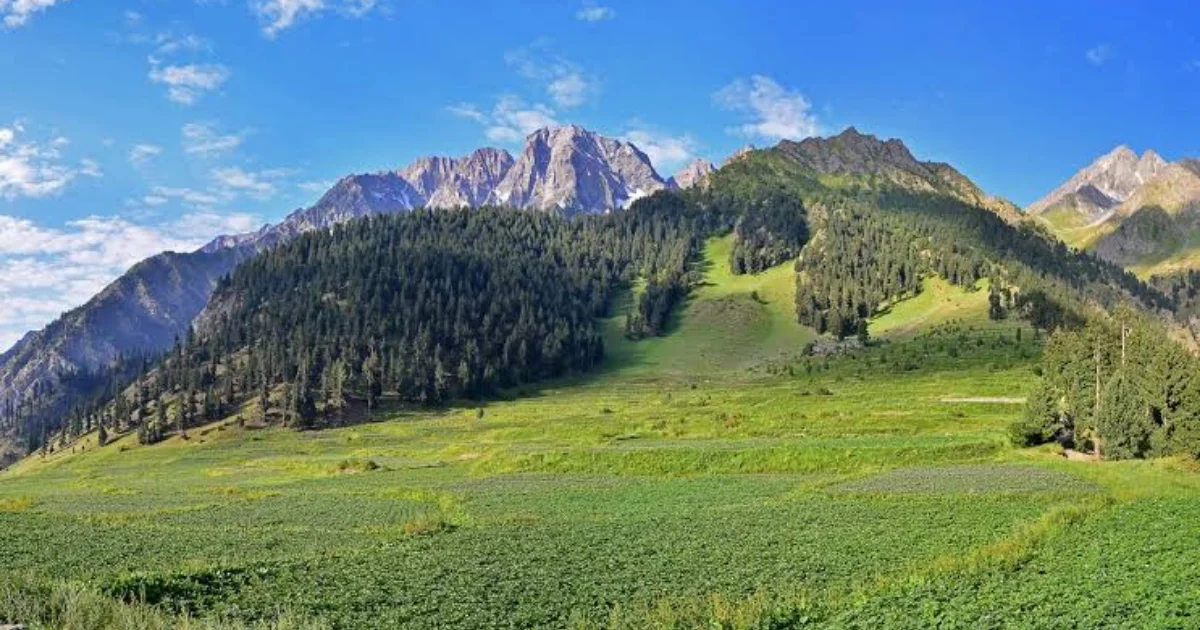
Naltar Valley lies hidden in the hills of Gilgit Baltistan, and is among the best-kept secrets of northern Pakistan. Just an hour’s drive from Gilgit city, the place is known for its evergreen pine forests, high altitude meadows and a range of lakes that keep changing their colors depending upon seasons and time. Combine this all with a functional ski resort, chairlifts and local villages and it’s not hard to figure out why Naltar Valley Pakistan is now finding space among other places of Gilgit Baltistan like Hunza and Skardu on tourists’ bucket lists.
This guide will help you understand all that is needed to be done for planning your tour to Naltar Valley, including information about the location of Naltar Valley Pakistan, best time to visit, things to do, lakes of Naltar Valley, how to get there from Gilgit, Islamabad or Lahore, weather and hotels.
Where Is Naltar Valley
Naltar Valley is situated in Gilgit Baltistan, 40 kilometers away from Gilgit city, and thus becomes one of the easier side trips in this area. Being positioned at 2,800 to 3,050 meters of altitude (with even more elevated places at the height of lakes and skiing slopes), Naltar valley altitude results in cooler climate there compared to the Gilgit plain areas.
Naltar Valley is located between forest hills and belongs to the Gilgit-Hunza travel area, together with Hunza and Naltar Valley because of their proximity. The nearby places are Gilgit city, Nomal road, and the junction of Karakoram-Hindukush range in this area of Gilgit Baltistan.
Best Time to Visit Naltar Valley
| Month | Season | Temperature | Best For |
| May – June | Spring | Mild | Lakes, Photography |
| July – August | (Summer) Peak Season | 10–25°C | Families, Festival |
| Sep – October | Autumn | Cool & Crisp | Hiking, Photography |
| Dec – March | Winter | Very Cold | Skiing |
Things to Do in Naltar Valley
Naltar offers a mix of adventure, nature, and culture that keeps visitors busy for a full day or longer. Current travel sources consistently identify the coloured lakes as one of Naltar’s biggest attractions, but there’s plenty more to explore.
Visit Naltar Ski Resort

The Naltar Valley Ski Resort is among the major destinations for winter sports in Pakistan as skiing championships both nationally and internationally are held there almost every year. The tourists can go for Naltar Valley skiing, have a ride in the Naltar Valley chair lift and also experience winter activities without skiing.
Explore the Pine Forests

Dense pine forests blanket the lower slopes of the valley, offering shaded walking paths, fresh mountain air, and some of the best photo spots in Naltar.
Enjoy Hiking and Nature Trails

Numerous trails traverse the valley, linking the lakes, meadows, and viewing points, thus Naltar is an ideal choice for tourists interested in walking but not trekking.
Experience Local Village Life

Small settlements within the valley give visitors a glimpse of everyday life in Gilgit Baltistan, from local wooden houses to small orchards and grazing livestock.
Wildlife Watching

The upper reaches of Naltar and its surrounding mountains are part of a habitat known to support the rare snow leopard, along with markhor and various high-altitude bird species, though sightings are rare and mostly reported by locals and researchers rather than casual visitors.
Naltar Valley Lakes
The lakes in Naltar Valley are the region’s signature attraction, each with its own colour and character.
Satrangi Lake
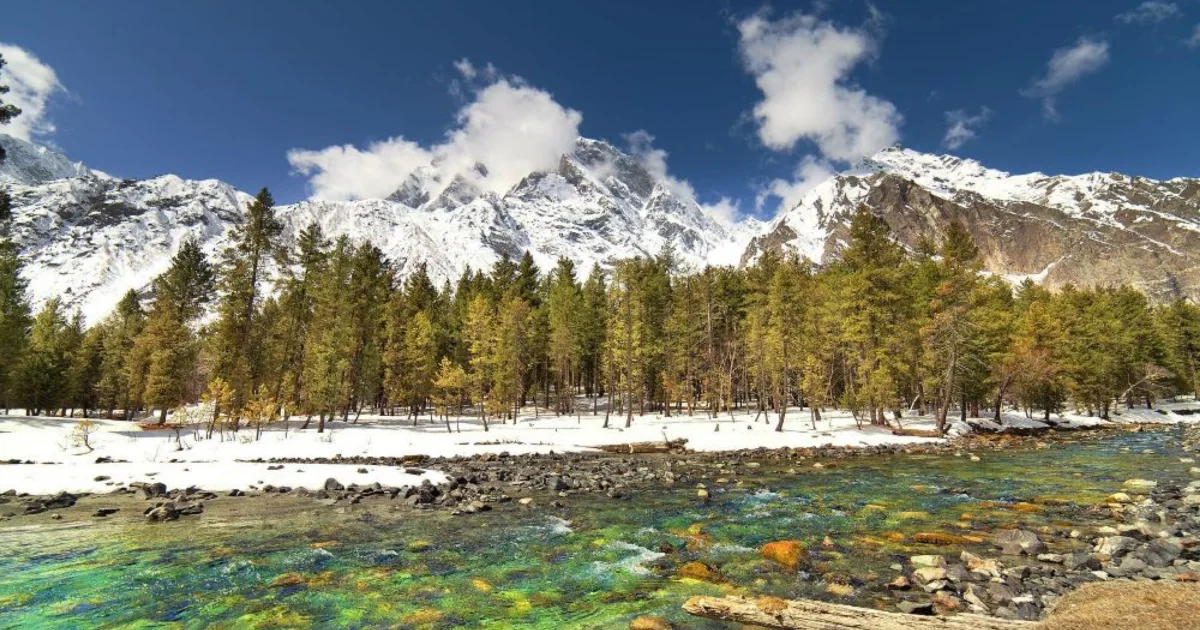
Satrangi Lake, meaning “seven-coloured,” is the most photographed of Naltar’s lakes, known for the way its water shifts hue with the changing light.
Blue Lake

As the name suggests, Blue Lake stands out for its deep, vivid blue water framed by pine-covered slopes.
Feroza Lake

Feroza Lake gets its name from its turquoise, almost gem-like tone, especially vivid in the warmer months.
How to Reach Naltar Valley
Getting to Naltar Valley usually means routing through Gilgit first, since it’s the nearest major city.
Gilgit to Naltar Valley
The gilgit to naltar valley journey is around 40 km and typically takes about 1.5–2 hours by road, depending on conditions.
Islamabad to Naltar Valley
Travellers coming from Islamabad to Naltar Valley generally follow the Karakoram Highway up to Gilgit first, a journey of around 500+ km, before continuing on to Naltar.
Lahore to Naltar Valley
The Lahore to Naltar Valley route is considerably longer, and most travellers either fly from Lahore to Gilgit or Islamabad and then continue by road, rather than driving the entire distance.
Naltar Valley Road Conditions
Naltar valley road conditions are mixed: the initial stretch from Gilgit is paved, but the final section narrows and gets rougher as it climbs, with a rocky, winding portion that requires careful driving.
What Type of Vehicle Do You Need
Given the rough section near the end of the naltar valley road, a 4×4 vehicle is strongly recommended, particularly for travel beyond the lower valley or during/after rain and snow.
What to Eat in Naltar Valley

Food options in Naltar are Chapshuro, Mamtu, Harissa, and Apricot cake. Some foods are mostly limited to small local eateries serving basic Pakistani and regional dishes like dal, rice, and freshly baked bread, along with tea. Most travellers eat a proper meal in Gilgit before or after visiting, since dining choices within the valley are limited compared to the city.
Naltar Valley Weather
Season | Months | Temperature | Conditions |
Summer | May – August | 10–25°C, mild to warm | Most comfortable time to visit |
Autumn | September – October | Cool & crisp | Fewer crowds |
Winter | December – March | Very cold, often below freezing | Heavy snowfall, prime time for skiing |
Spring | March – April | Mild, variable | More rain, transitional weather |
Hotels in Naltar Valley
Hotels & Guesthouses
Hotels in Naltar valley are not very common, even when compared to the cities of Hunza or Skardu. They consist of small guest houses and some resort hotels near the ski slopes.
Best Places to Stay
The places closer to the ski resort and lakes make better accommodations since the guests will be close to all the tourist attractions.
Stay in Gilgit Rather Than Naltar
Many tourists prefer to stay in the city of Gilgit instead, and take day tours to Naltar due to the proximity between both locations.
Naltar Valley Travel Tips
- A 4×4 vehicle is very important on the tough sections of roads, more so outside the lower valley area.
- Take enough money, since there will be no ATM or card transactions available outside Gilgit.
- The mobile network is not available in some areas of the valley, so take maps and let someone know of your travel plans in advance.
- Take your own food and drinking water, especially if you are planning to venture further into the wilderness areas beyond the villages.
- The weather may change rapidly, so make sure to take enough clothing regardless of the season.
- Dress appropriately and wear good shoes, especially if going for a hike or in the snow.
- Also check the road conditions before traveling, more so if it has rained or snowed recently.
Would you also like to read: A Complete Travel Guide to Sozo Park Murree
Frequently Asked Questions
Is Naltar Valley accessible in winter?
Yes, though heavy snow can restrict access to higher areas; winter is actually peak season for the ski resort.
Which lake in Naltar is the most beautiful?
Most visitors say Satrangi (Rainbow) Lake is the most stunning. The water changes colour depending on the light. Visit before noon for the best colours.
Can I visit Naltar Valley in winter?
Yes. The ski resort is open from December to March. Non-skiers also enjoy the snow-covered valley and chairlift views. Just check road conditions before heading up.
What is the best time to visit Naltar Valley?
May to October generally offers the most comfortable weather, while December to March is best specifically for skiing.
Can you visit Naltar Valley from Gilgit in one day?
Yes, given the short distance, Naltar is commonly visited as a day trip from Gilgit.