Kashmir is often called “Heaven on Earth,” and while it looks beautiful in every season, there is something truly magical about the winter. When the green valleys turn into a white wonderland, the entire landscape changes. If you are planning a trip to see the snow in 2026, you are in for a treat. This guide will walk you through everything you need to know about when to go, where to stay, and how to make the most of the snowy season in Kashmir.
Understanding the Winter Season in Kashmir
To plan the perfect trip, you first need to understand how winter works in the valley. The cold starts to settle in during November, but the real “snow season” begins in December and lasts until the beginning of March.
The peak of winter is a 40-day period known locally as Chillai Kalan. This starts around December 21st and ends in late January. This is the time when the temperature drops significantly, often falling well below freezing point. If your main goal is to see heavy snow and frozen lakes, this is the most reliable window for your visit. After Chillai Kalan, there are shorter periods called Chillai Khurd and Chillai Bachha, where the cold begins to ease up, but snow is still very common.
Best Months for a Snowy Adventure
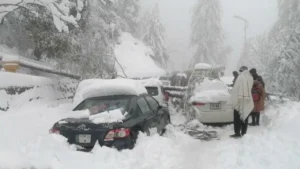
If your main goal is to see fresh snowfall or play in deep snow, timing is everything. Generally, the snow season starts in late November and lasts until March. However, each month offers a slightly different experience. While the text focuses on Kashmir’s peak season for snow sports in January and February, many travelers in Pakistan look forward to the first significant snowfall in Murree during December to plan their local winter getaways.
December:
December is when the cold really settles in. By the middle of the month, the higher reaches of Kashmir, like Gulmarg and Sonamarg, are usually covered in a thick white blanket. If you visit in late December, you might even get to experience a “White Christmas.” This is a great time for people who want to see the start of the season without the extreme, bone-chilling cold of mid-winter.
January:
January is widely considered the best time to see the heaviest snowfall in Kashmir. This is the period of Chillai Kalan, a 40-day period of intense cold that starts in late December. During January, the snow is at its deepest. You are almost guaranteed to see falling snow during your stay. The trees are heavy with ice, and the rooftops of the traditional Kashmiri houses are buried under white layers. It is the perfect time for photography and serious snow sports.
February:
By February, the snowfall starts to slow down a little bit, but the ground is still covered in feet of snow. This is the prime time for skiing and snowboarding in Gulmarg. The weather starts to clear up slightly, offering more sunny days, which makes it easier to travel between different towns while still enjoying the winter scenery.
March:
March is the transition month. You can still find plenty of snow in high-altitude places like Gulmarg, but in the main city of Srinagar, the snow begins to melt, and the first flowers of spring start to peek through. If you want a mix of winter and the beginning of spring, March is a lovely, quieter time to visit.
Top Places to Witness the Snow
Not every part of Kashmir experiences snow in the same way. To get the best “Snowfall in Kashmir” experience, you should focus on these three main areas.
Gulmarg: The Winter Capital
Gulmarg is the most famous destination for snow lovers. Because it is located at a high altitude, it receives more snow than almost anywhere else in India. The main attraction here is the Gondola ride, which is one of the highest cable cars in the world. Taking the Gondola to Phase 2 (Apharwat Peak) puts you right in the middle of deep, powdery snow even when it’s not snowing in the lower valleys.
Pahalgam: The Frozen Valley
Pahalgam is known for its beautiful rivers and pine forests. In the winter, the Lidder River flows through a landscape of frozen banks and snow-covered trees. It feels much quieter and more peaceful than Gulmarg. Places like Betaab Valley and Aru Valley look like scenes from a fairytale when they are covered in white.
Sonamarg: The Meadow of Gold
Sonamarg literally means “Meadow of Gold,” but in winter, it becomes a meadow of white. It is important to note that the road to Sonamarg often closes during heavy snow in January for safety reasons. However, if you visit in early winter or late February, you can witness the Thajiwas Glacier, which stays frozen and snowy for most of the year.
What to Expect and How to Prepare
Traveling to Kashmir in the winter is an incredible experience, but it requires some preparation. The temperatures can drop well below freezing, especially at night.
What to Wear
You will need to dress in layers. Instead of one heavy jacket, wear a thermal base layer, a sweater, and then a waterproof jacket on top. Waterproof boots are essential because regular sneakers will get soaked in the snow, making your feet very cold. Most tourist spots like Gulmarg have shops where you can rent heavy boots and long coats if you don’t want to buy them.
Staying Warm
Kashmiri people have their own ways of staying warm. You might see locals carrying a Kangri, which is a small wicker basket with a clay pot of hot coals inside, kept under their long cloaks called Pherans. You should also try Kahwa, a traditional Kashmiri saffron tea with almonds and spices. It is delicious and helps keep your body temperature up.
Travel Tips
Winter weather can sometimes lead to flight delays or road closures due to heavy snow. It is always a good idea to keep an extra day in your travel plan just in case. Also, make sure to book hotels that offer “central heating” or “electric blankets,” as the nights can be very chilly.
Final Words :Why 2026 is the Perfect Year to Go
With travel becoming more accessible, 2026 is looking like a fantastic year to visit. The local tourism industry has improved its facilities, meaning better roads and more comfortable stays even in the coldest months. Whether you want to try skiing for the first time, build a snowman with your family, or just sit by a window with a hot cup of tea watching the flakes fall, the snowfall in Kashmir offers an experience that stays with you forever.
Kashmir in the winter isn’t just a trip; it’s a journey into a quiet, beautiful world that feels far away from the rush of everyday life. By planning your visit between December and February, you ensure that you see the valley at its most majestic.